Project Reference: 2021-2-DE04-KA152-YOU-000040363
Topics: Inclusion Of Marginalised Young People
Action Type: Mobility of young people
Countries Covered: 🇩🇪 Germany 🇭🇷 Croatia 🇹🇷 Türkiye 🇨🇾 Cyprus 🇷🇸 Serbia 🇵🇹 Portugal 🇮🇹 Italy 🇱🇹 Lithuania
Summary
Objectives
This project will treat the phenomena of exclusion and deals with filming short movies by participants on the theme of how they perceive the social exclusion, poverty, homelessness, disability, membership of an ethnic minority, lack of adequate literacy skills, unemployment, family circumstances, addiction problems and similar issues connected to social exclusion, and raising the awareness of general public, government officials and European officials about the existing problem and provoking a solution not only from the officials but from each individual who would see a movie or hear about the problem from a friend.
The project aims, objectives and priorities corresponding with the Erasmus + Programme were formed, as follows:
-Increasing the general public knowledge about the extent and causes of poverty, marginalization; social exclusion via short creative movies;
-Making use of new tools and discovering new arenas in the efforts against poverty, marginalization; social exclusion;
-Offering youngsters the opportunity to make their voice heard and to express their view upon fighting social exclusion;
-To use filming short movies as a tool for active youth participation;
-Empower and motivate young people to use film and the new media (namely Internet) as a tool for communication;
-Develop and create a film which features inclusion as an opportunity for mutual enrichment and promotes inclusive activities by and for young people;
Activities
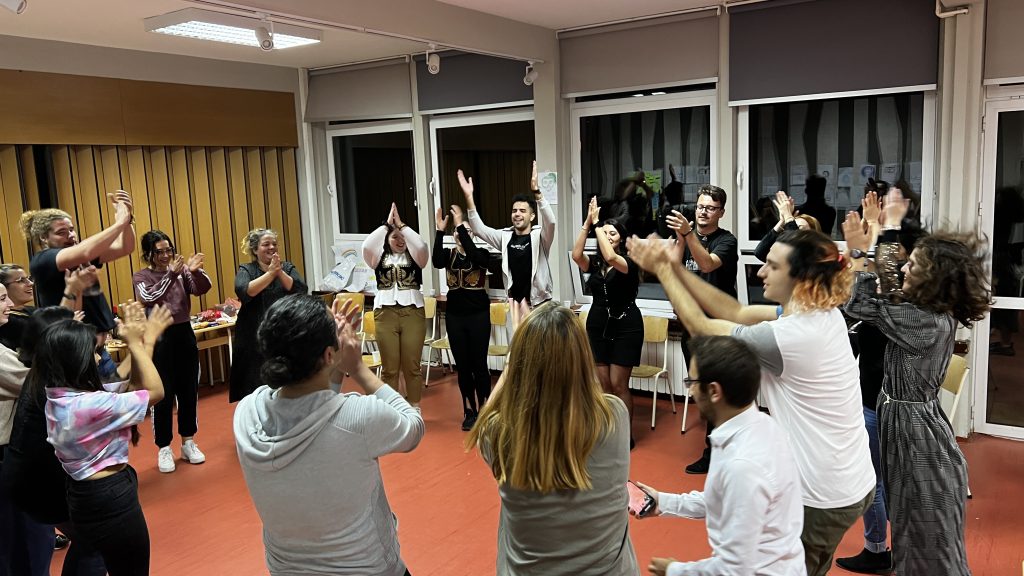
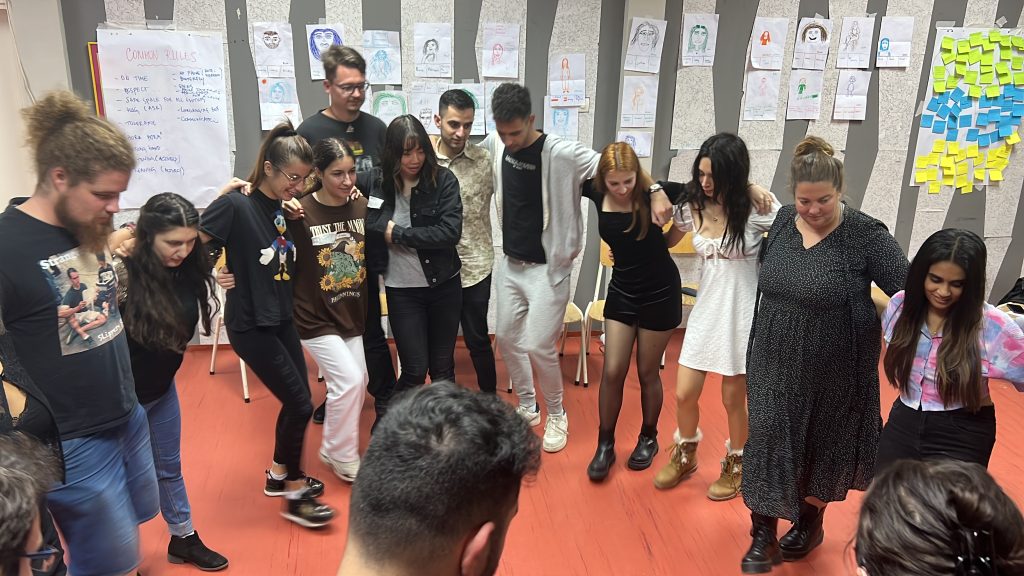
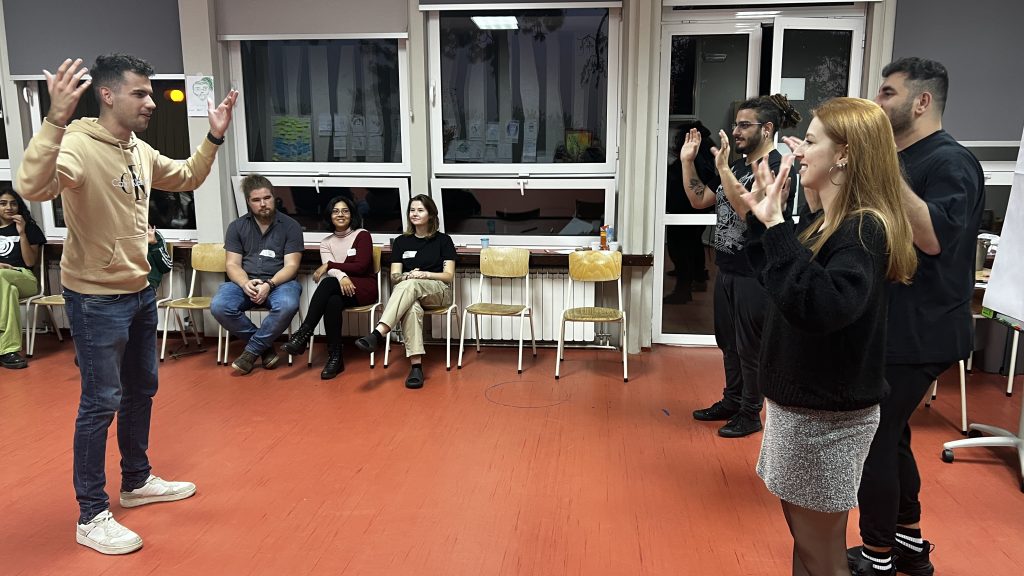
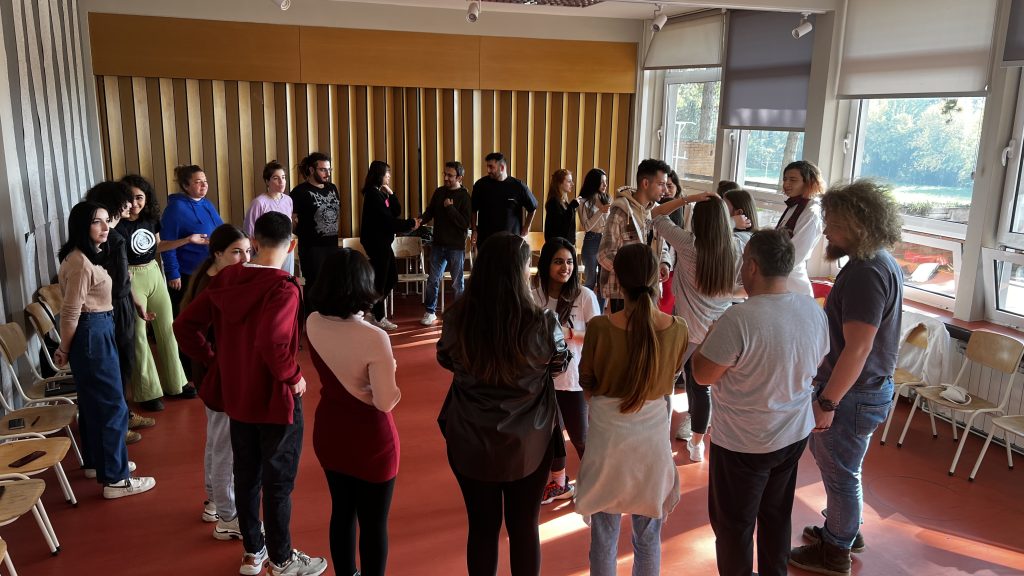
Youth exchange ” Movie making for social inclusion: Movie as universal language” will take place from 6 May till 15 May in Zlatibor, Serbia
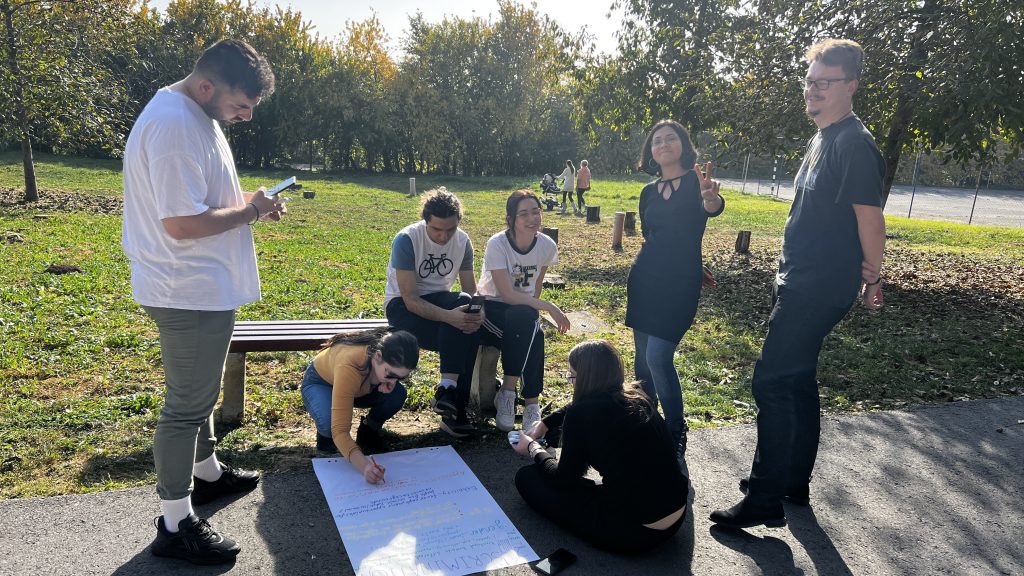
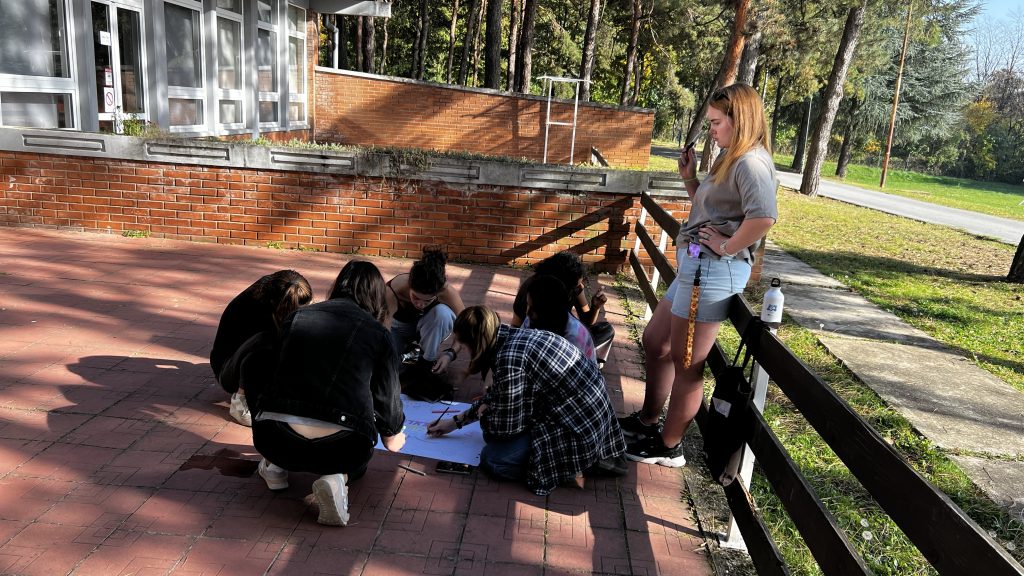
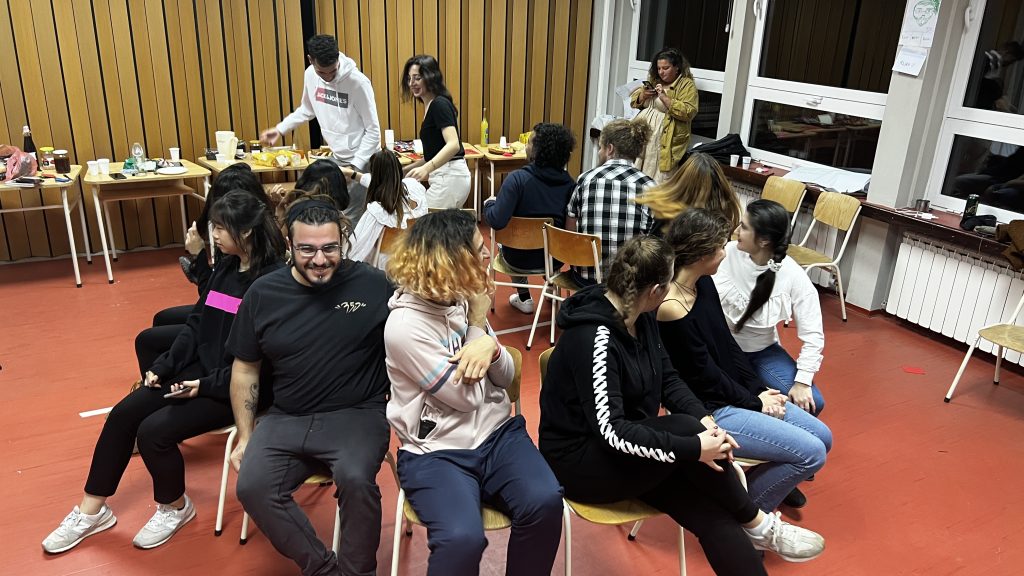
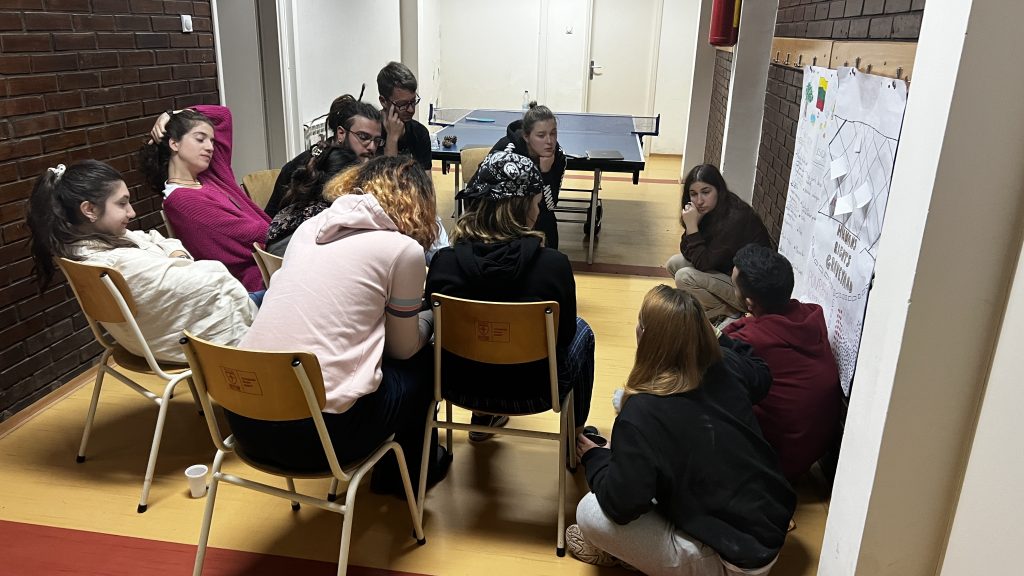
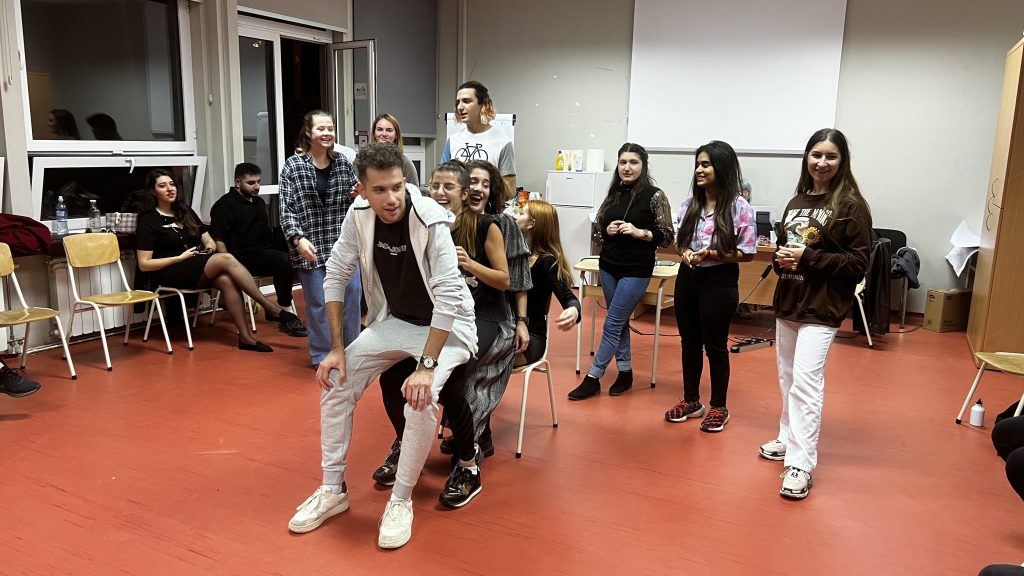
YE will bring together 40 participants and group leaders leaders from 8 countries: Germany, Serbia, Croatia, Cyprus, Italy, Lithuania, Portugal and Turkey
Organisation EU Aktivisten e. V. from Germany is coordinating and applicatn organisation and European Youth Organizations (EOM) will be host organization.
Group of participants will be consisted of people who coming from different socio-economical, cultural, geographical background, and to them will be offered equal opportunities during the youth exchange.
Some of participants that will take part in this YE will have some knowledge and experience. As this knowledge and experience will be on different level among the different participants the flow of information and skills will be not only during the plenary and workshops but permanently even during the free time for the participants.
Also, YE will bring 40 participants and 8 group leaders, who should be motivated and interested in exploring the concept of social exclusion/inclusion. They should be in a position to multiply the experience gained during the exchange in their reality. Also we expect from them to be ready to develop and implement realistic follow-up activities as a result of the course and to be available for the full duration of the exchange.
Impact
All the activities and experiences proposed aim to develop the relational aspect of the exchange: young participants will be encouraged to build interpersonal relations overcoming social, economical, cultural and linguistic differences which characterizes them, in the spirit of intercultural dialogue and tolerance. Once the exchange will be over, these relations, won’t be simple memoirs but real connections which will be fed along the time, by motivating the adolescents to maintain a pen-friend relation.
Through the youth exchange, participants will boost their self esteem, confidence and generally learn more about themselves as young, creative Europeans that can be actors of positive change in their community. They will explore their potential for creativity and establish a habit to work on their goals following regular writing and being confident in following their beliefs.
The participants, at the end of the youth exchange, will be more aware of the situation of social exclusion in their cultures and will be able to spread a peaceful, tolerant approach to all excluded groups, in respect of human rights.
They will develop skills both for working individually and in groups, overcoming challenging situations by collaborating with each other.