Project Reference: 2022-3-DE04-KA153-YOU-000094738
Topics: Human Rights And Rule Of LawMedia Literacy And Tackling DisinformationÿPreventing Racism And Discrimination
Action Type: Mobility of youth workers
Countries Covered: 🇩🇪 Germany 🇳🇱 Netherlands 🇹🇷 Türkiye 🇪🇸 Spain 🇬🇷 Greece 🇷🇸 Serbia 🇮🇹 Italy 🇵🇱 Poland 🇸🇮Slovenia
Summary
Objectives
Europe is experiencing some turmoil in these times, whether it be from the economic crisis, the situation of refugees and migrants, the greater openness of minorities to claim their rights, acts of terrorism by radicals, or warfare between countries.
Hate speech is dramatically increased during the pandemic.
According to a study commissioned by the European Parliament’s Policy Department for Citizens’ Rights and Constitutional Affairs
“Minorities anyway suffering more from the pandemics than the average person, due to poverty, overcrowded accommodation, the lack of hygienic conditions, lack of equipment for distance learning, or domestic violence – such as ethnic minorities, prisoners, migrants, refugees, and also women – were further victimized by hate speech and crimes. It is often claimed that the Roma community presents a health threat, given their lifestyle and lack of discipline.”
The hashtag movement #JeNeSuisPasUnVirus (I am not a virus) reportedly starting in France and spreading across Europe and beyond, reflects the increasing frustration of minority citizens, who are the victims of the proliferation of prejudice, hate speech, and bias crimes. The law should counteract these phenomena.
More about the report can be found at: https://bit.ly/3eiS22B
According to the Hate Speech Watch launched by the No Hate Speech Movement number of Hate, Speech cases increased rapidly. As it is mentioned in Paris Declaration on Promoting Citizenship and the common values of freedom, tolerance, and non-discrimination through education violent extremism and terrorist attacks have surged across Europe and are posing a threat not only to the safety of its citizens but also to its fundamental values of freedom, democracy, equality, respect for the rule of law, human rights and dignity. The alarming developments stand in direct opposition to the vision of a European society characterized by pluralism, non-discrimination, tolerance, justice, solidarity, and gender equality.
We see NFE as a tool to address the needs mentioned. To fight against Hate Speech and various forms of Human Rights there should be a combination of online and offline actions.
By designing this project we aim to build the capacity of youth workers and their organizations to combat hate speech by promoting peaceful communication and social cohesion.
To Objectives are:
– to raise awareness about hate speech online and the risks it has for fueling conflicts and individual young people;
– to develop the skills and motivation for young people to recognize online hate speech and to become ‘online activists’ for human rights;
– to equip young people and youth organizations with tools to combat hate speech online;
– to provide the participants with tools to organize online and off-line campaigns focused on combating hate speech and by these means to provide the multiplying effect for the project
– to build capacities of the partner organizations involved in the project for building cohesive and peaceful communities;
– to provide a strong multiplying effect of the project among young people;
– to strengthen the network of young people and youth organizations working on combating hate speech online in Europe through the No Hate Speech Movement and National Campaigns.
Activities
We plan to have one international training course and 9 local initiatives implemented in partner countries.
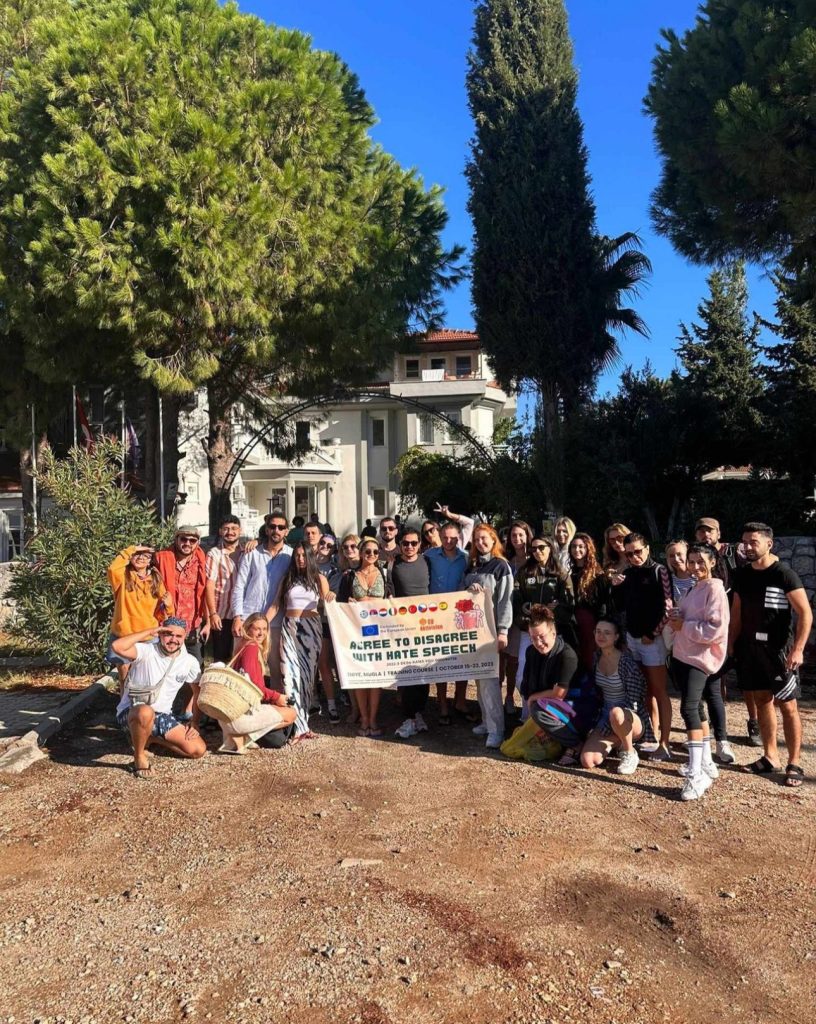
For the training course, we will have 1 coordinator, one assistant, 3 senior trainers, and 1 junior trainer.
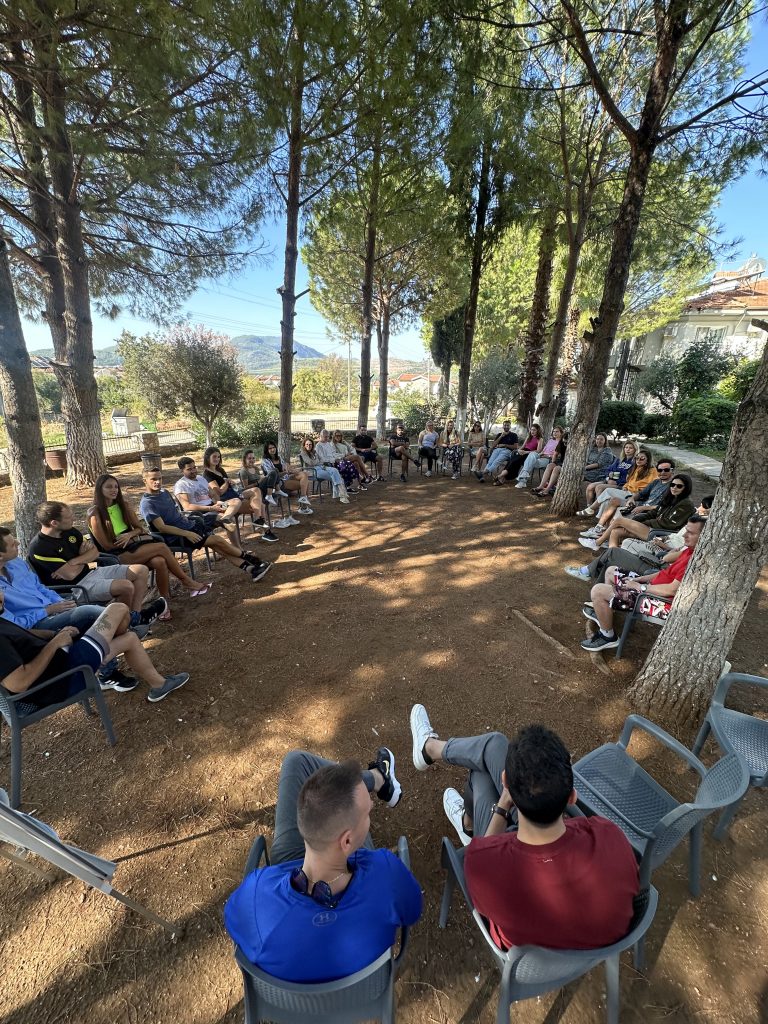
Together with the project team and trainers, we will have 36 participants.
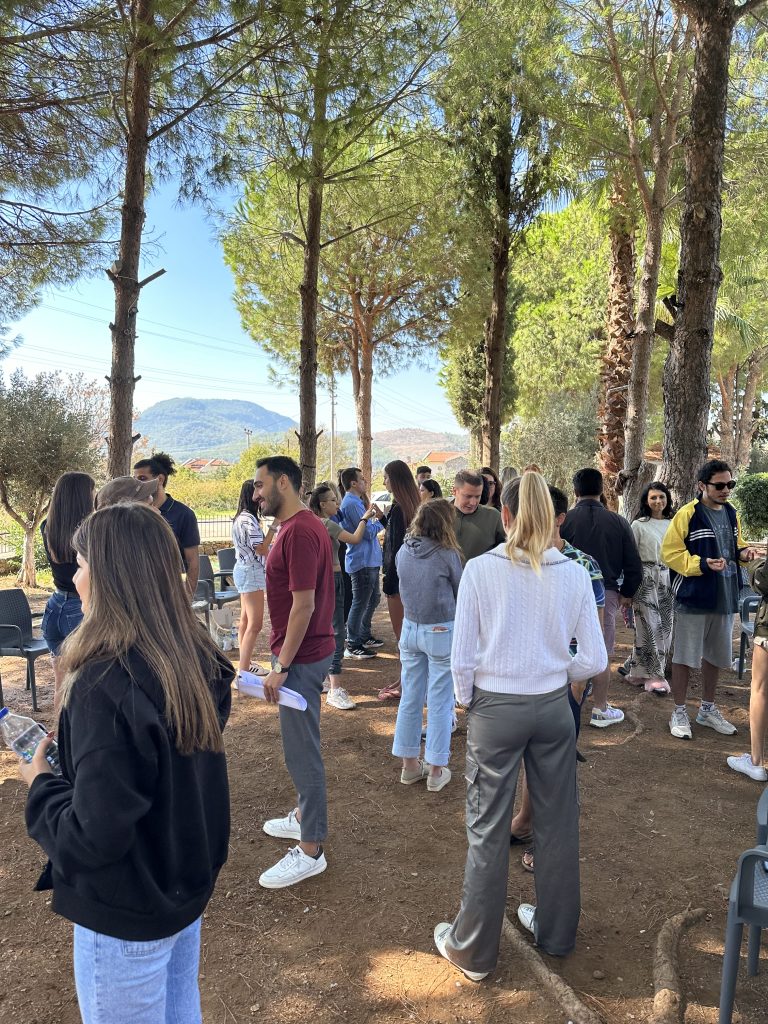
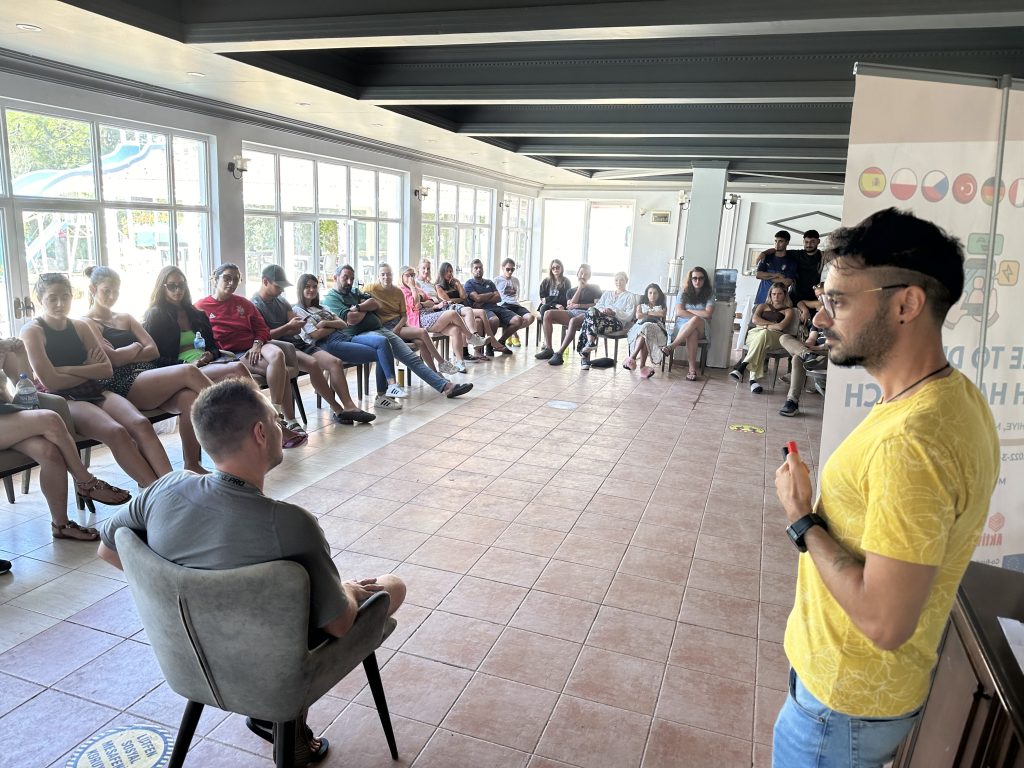
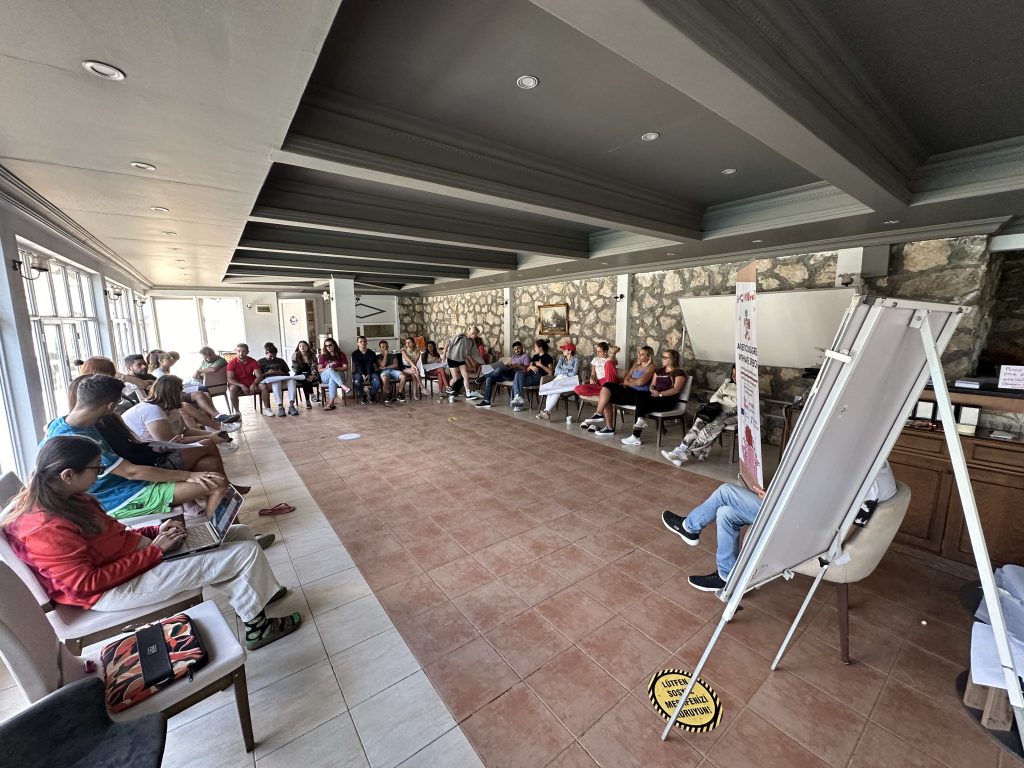
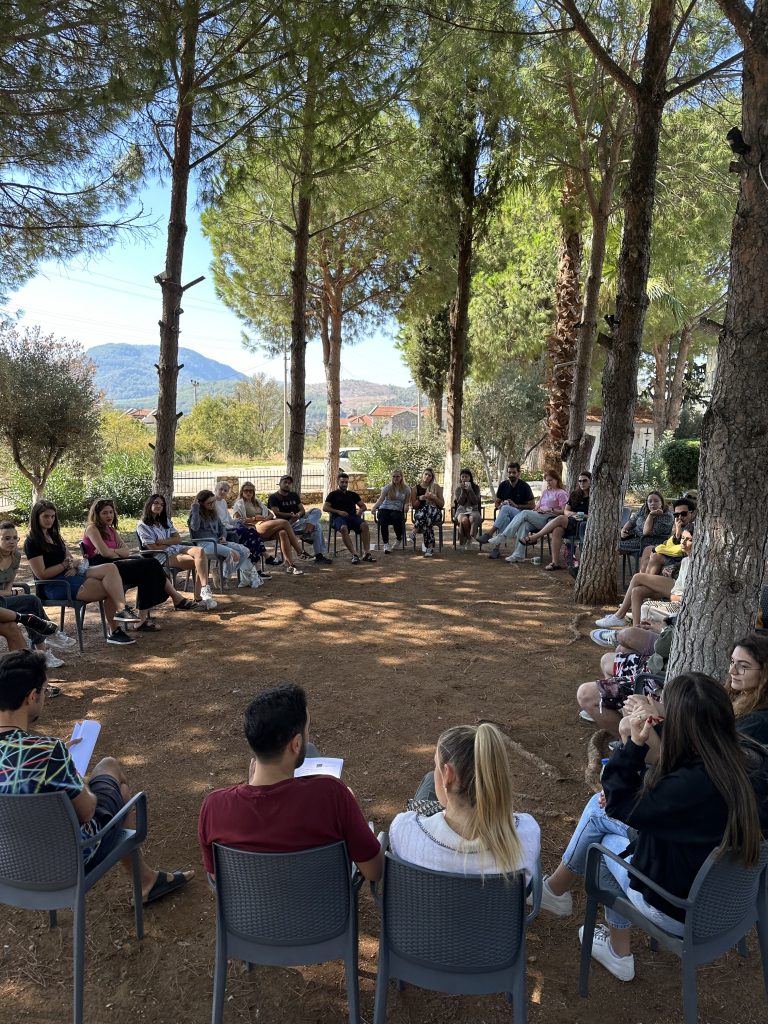
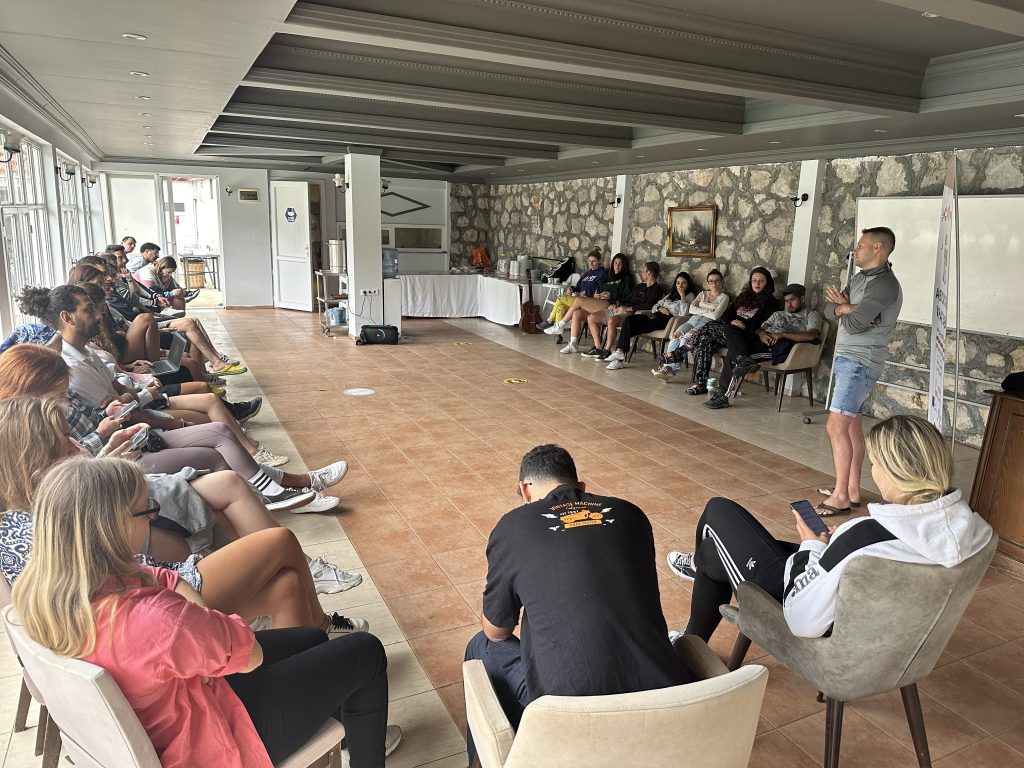
The approaches used are intercultural, experiential, and non-formal learning. The main working methods used will be based on non-formal and human rights education principles. It includes role-play simulations, group work and discussions, brainstorming, team-building, trust-building activities, energizers, ice-breakers, getting-to-know-each-other activities, intercultural night, reflection groups., case studies, public events, evaluation, and initiative development. All parts of the program are interconnected and intertwined. It starts with getting and accumulating knowledge and finishes with its application in practice. The key educational manual used for the training course is “Bookmarks. A manual for combating hate speech online through human rights education”. The manual includes a range of educational activities for addressing topics connected with hate speech online. The participants will learn how to use the manual and the methods introduced in it for providing educational activities for young people aimed at combating hate speech. The sessions of the training course will be developed using the activities and exercises from the manual.
The program enables mutual learning among participants, making use of a variety of non-formal working methods. The following themes will be human rights, freedom of expression vs. hate speech, the role of youth workers in combating hate speech, how to react to hate speech, non-violent communication, the culture of peace, action, and campaign development.
Impact
The outcomes of the project: 36 youth workers will get the tools of work with young people on the topics of human rights and combating hate speech, get the skills of how to organize local initiatives with young people on combating hate speech, learn how to design campaign and report online hate speeches.
One of the main results will be trained youth workers who can easily multiply the experiences in their communities.
After the project partner organizations will have a better capacity for building cohesive and peaceful communities;
there will at least 9 local workshops and actions involving at least 120 youth providing a strong multiplying effect of the project among youth;
A network of youth workers and organizations working on combating hate speech in Europe will be built.
The written report will be available for organizations to use for their activities along with methodologies.
Last but not least; we also aim to encourage partner organizations to create more international cooperation so that the sustainability of the project can continue and reach more people